“hand-selected coffee beans” search results (300)

How to select defective coffee beans and the steps of selecting defective beans
Let's start with today's content: how to select defective coffee beans and the steps to select defective beans.
2014-06-05 Pick coffee beans pick defective beans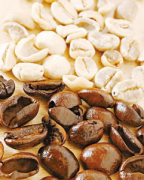
Coffee beans common sense coffee roasting defective beans introduction
Mildewed beans: because the drying is not complete, or in the transportation, storage process damp, and grow cyan, white mold, sometimes make beans stick together, if not remove these moldy beans, will produce mildew smell. Dead beans: beans that bear abnormal fruit. The color is not easily changed by baking, so it is easy to distinguish. The flavor is thin and harmful as silver skin, which will become peculiar smell.
2015-01-09 coffee beans common sense coffee roast blemish presentation moldy because dry endless
Learn about the world's most expensive coffee beans
Terra Nera coffee beans from Quechua in the southeastern Andes of Peru also have the momentum to move towards luxury, since it is a rare coffee bean, it is reasonable to combine it with ornate packaging. Today, I take you to a feast to see the world's most expensive coffee. China has no shortage of connoisseurs who appreciate the best and highest quality of life. For those who can truly appreciate and
2014-07-23 The most expensive coffee beans premium coffee beans
A coffee roasted coffee bean powder grown in coffee farms in India
The coffee in India is mainly Arabica coffee, while Robbist coffee was introduced at the end of the 19th century and accounted for a certain proportion. Indian Grade A coffee beans are baptized by the monsoon and are rich, smooth and delicious, but have a peculiar spicy taste. A coffee connoisseur once commented that grade A coffee has a taste similar to that of Indonesian aged beans, which may have something to do with their handling.
2016-06-08 India coffee manor planting baking bean powder mainly
Basic knowledge of boutique coffee introduces several kinds of coffee defective beans
Moldy beans: because of incomplete drying, or damp in the process of transportation and storage, cyan and white molds grow, which sometimes make the beans stick together. If these moldy beans are not removed, they will produce moldy smell. Dead beans: beans with abnormal results. The color is not easy to change because of baking, so it is easy to distinguish. The flavor is thin, as harmful as silver skin, and will become a peculiar smell.
2014-12-16 Boutique coffee basics common sense introduction several defects mildew because dry
Coffee training-what is hand-picked beans
Hand selection: is the step of removing impurities and bad beans attached to delicious coffee beans. Coffee beans are often mixed with foreign bodies, such as stones, sawdust, pieces of metal, grains of soil, fruit of trees, and sometimes coins and glass.
2014-05-16 Coffee knowledge coffee beans coffee training
The origin of the name of Indonesian Mantenin coffee bean
Aceh Gold TP, from Raminita, is famous in the world as one of its top Mantenin products because it adheres to the strictest quality management of La Minita and the company sends people to Sumatra to provide technical guidance, from planting to processing. And requires the full harvest of ripe fruit. This coffee bean is located in Aceh.
2016-06-15 Indonesia Mante coffee bean name origin from Lamy Nita under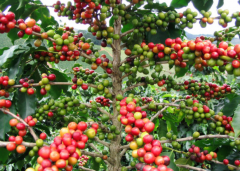
Indian monsoon coffee Indonesian coffee
There are several reasons why Indian coffee is popular with coffee hobbies, but the most important is a process used in coffee beans, often called the monsooning. In the past, passengers or goods sailed to and from India, which took about several months to reach Europe. In transit, due to high air humidity, the taste of raw coffee beans
2016-05-31 India monsoon coffee Indonesia the reason hobby some
Coffee producing area-India
There are several reasons why Indian coffee is so popular in coffee hobbies, but the most important one is a process used in coffee beans, often called the monsooning process. In the past, passengers or cargo sailed to and from India, which took months to reach Europe. In transit, due to the high air humidity, the taste of raw coffee beans and
2014-08-21 Coffee knowledge coffee producing area India
Flavor of Berry Caramel Coffee from St. Roman processing Plant in Tarazhu, Costa Rica
Boutique coffee (specialty coffee) is also called specialty coffee selection coffee. It refers to coffee made from a small number of raw beans with excellent taste grown in an ideal geographical environment. Depending on the special soil and climatic conditions in which they grow, they have outstanding flavor. After strict selection and classification, this kind of coffee is hard in texture, rich in taste and stylish.
2016-06-24 Costa Rica Tara producing area Roman processing plant fruity caramel coffee flavor
What are the four famous coffees?
Blue Mountain Coffee is a coffee with high popularity, only produced in the Blue Mountain region of Jamaica in Central America, and only coffee grown in the Blue Mountain region above 1800 meters can be authorized to use Jamaica Blue Mountain Coffee, which accounts for 15% of the total production of Blue Mountain Coffee in Jamaica. And planted in
2016-06-01 Big Four Coffee Famous Which Blue Mountain Blue Moun
High-quality coffee beans defective beans in coffee baking
Moldy beans: because of incomplete drying, or damp in the process of transportation and storage, cyan and white molds grow, which sometimes make the beans stick together. If these moldy beans are not removed, they will produce moldy smell. Dead beans: beans with abnormal results. The color is not easy to change because of baking, so it is easy to distinguish. The flavor is thin, as harmful as silver skin, and will become a peculiar smell.
2015-01-13 Boutique coffee beans coffee roasting blemishes mildew because dry incomplete is
Indian Coffee Manor grows Kahayang Gan Manor
The coffee in India is mainly Arabica coffee, while Robbist coffee was introduced at the end of the 19th century and accounted for a certain proportion. Indian Grade A coffee beans are baptized by the monsoon and are rich, smooth and delicious, but have a peculiar spicy taste. A coffee connoisseur once commented that grade A coffee has a taste similar to that of Indonesian aged beans, which may have something to do with their handling.
2016-06-14 India coffee manor planting Kaha Yanggan
Basic knowledge of boutique coffee beans introduction to several kinds of coffee defective beans
Moldy beans: because of incomplete drying, or damp in the process of transportation and storage, cyan and white molds grow, which sometimes make the beans stick together. If these moldy beans are not removed, they will produce moldy smell. Dead beans: beans with abnormal results. The color is not easy to change because of baking, so it is easy to distinguish. The flavor is thin, as harmful as silver skin, and will become a peculiar smell.
2015-03-24 Boutique coffee beans basics common sense introduction several coffee defects mildew because
Costa Rica San Roman washing plant coffee beans cooked beans representative of Central and South America
The best coffee in Costa Rica seems to come from small processing plants, spread across several major coffee producing areas, including Tarazu and the western valley. This so-called coffee revolution originated 15 years ago and has greatly changed the way bean baking experts and importers think about Costa Rican coffee. Take the processing plant as the center, collect coffee beans from the surrounding small farms for processing, most of these farms are small societies
2016-05-10 Costa Rica Roman washing processing plant coffee cooked beans Central and South America representative
Coffee beans Asia and India
Slippery and delicious coffee with uniform granules. There are several reasons why Indian coffee is so popular with coffee hobbies, but the most important one is a process used in coffee beans, often called the monsooning process. In the past, passengers or goods sailed to and from India, which took about several months to reach Europe. In transit due to
2014-09-22 Coffee beans Asia India
Grade A coffee beans from India
India is the first country in Asia to grow coffee, and India's A-grade coffee beans have always been a kind of coffee strongly concerned by coffee lovers all over the world. Its flavor and taste features: uniform particles, rich taste, slippery and delicious. The cultivation of Indian coffee originated from their colonists, the British. As early as the 17th and early 18th centuries, the English were not as addicted to tea as they are now.
2014-08-07 India coffee beans Asia the earliest cultivation coffee country one
Coffee manor introduces Indian plantation A coffee
India is the first country in Asia to grow coffee, and India's A-grade coffee beans have always been a kind of coffee strongly concerned by coffee lovers all over the world. Its flavor and taste features: uniform particles, rich taste, slippery and delicious. The cultivation of Indian coffee originated from their colonists, the British. As early as the 17th and early 18th centuries, the English were not as addicted to tea as they are now.
2014-11-12 Coffee knowledge coffee manor coffee cultivation
Introduction of Indonesian Mantenin Coffee Bean with fragrant Woody flavour
In the 17th century, the Dutch first introduced Arabica saplings to Ceylon (present-day Sri Lanka) and Indonesia. In 1877, a large-scale disaster hit the Indonesian islands, coffee rust destroyed almost all the coffee trees, people had to give up Arabica, which had been in operation for many years, and introduced the disease-resistant Robusta coffee tree from Africa. And Sue
2016-07-05 Wood aroma taste Neiman Tenin coffee beans introduction Rusu Nava Hana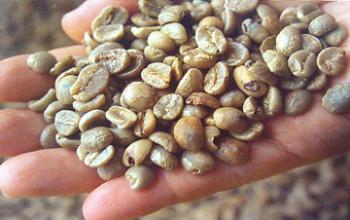
Detailed introduction of coffee beans: introduction of the classification characteristics and shapes of several kinds of defective beans
Coffee training several kinds of defective beans introduce moldy beans: because of incomplete drying, or damp during transportation and storage, cyan and white molds grow, which sometimes make the beans stick together. If these moldy beans are not removed, they will produce a moldy smell. Dead beans: beans with abnormal results. The color is not easy to change because of baking, so it is easy to distinguish. The flavor is thin, with silver skin
2015-12-23 Coffee beans details introduction several defects classification features shapes differences